
Diamond Solitaire Engagement Ring: A Timeless Symbol of Love
Discover how to choose the perfect diamond solitaire engagement ring with expert tips on diamonds, settings, metals, budgeting, and timeless style.
 guestposter1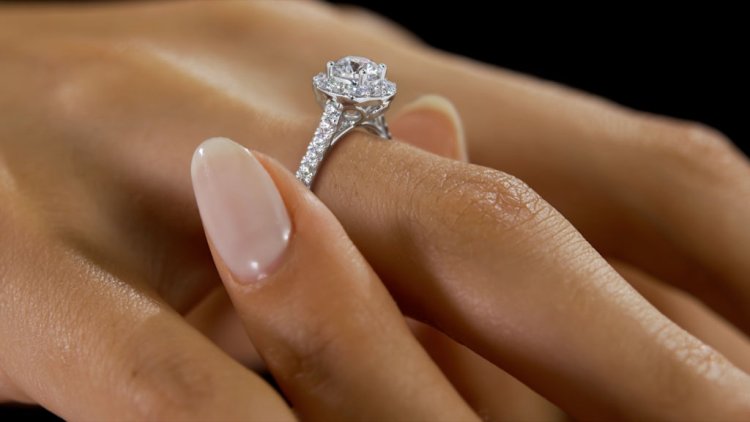
Few pieces of jewelry carry as much emotional weight as an engagement ring. It’s not just a beautiful accessory; it’s a promise, a milestone, and a story that begins long before the proposal. Among all ring styles, one design continues to stand above trends and generations—the diamond solitaire engagement ring. Its elegance lies in simplicity, allowing love itself to take center stage.
In this guide, you’ll learn everything you need to know before choosing the perfect solitaire ring, from diamond quality to settings, metals, and long-term care. Whether you’re buying for the first time or upgrading a cherished piece, this step-by-step approach will help you make a confident, meaningful decision.
What Makes a Solitaire Engagement Ring So Special
A solitaire ring features a single diamond mounted prominently on the band, without side stones or decorative accents. This clean design draws full attention to the center diamond, highlighting its brilliance and fire. The beauty of a diamond solitaire engagement ring comes from its restraint—it doesn’t compete for attention, it commands it.
Because there are no distractions, every detail matters. The diamond’s cut, clarity, and sparkle become the focal point, making this style ideal for those who appreciate refined elegance. It’s a ring that looks just as stunning today as it did decades ago, which is why it remains a top choice for engagements worldwide.
Understanding the Four Cs Before You Buy
Before choosing any diamond, it’s essential to understand the Four Cs: cut, color, clarity, and carat weight. These factors determine both beauty and value, especially in a solitaire design where the diamond stands alone.
Cut is the most important element because it directly affects how light reflects through the stone. A well-cut diamond sparkles intensely, even if it’s smaller in size. Color refers to how white the diamond appears, with near-colorless stones offering an excellent balance of beauty and value. Clarity measures internal inclusions, and while flawless diamonds are rare, eye-clean stones look perfect to the naked eye. Carat weight influences size, but it’s best chosen after prioritizing cut quality.
When selecting a diamond solitaire engagement ring, focusing on cut first ensures maximum brilliance, regardless of budget.
Choosing the Right Diamond Shape
While round brilliant diamonds are the most popular choice for solitaire rings, they are far from the only option. Oval diamonds create a flattering, elongated look on the finger, while princess cuts offer a modern, angular appeal. Cushion and emerald cuts bring a vintage elegance, and pear or marquise shapes provide a distinctive, artistic feel.
Each shape reflects light differently, which impacts overall sparkle. Round diamonds offer unmatched brilliance, while step-cut shapes like emeralds emphasize clarity and symmetry. The right shape ultimately depends on personal style and how the ring will be worn every day.
Solitaire Ring Settings Explained Simply
The setting determines how the diamond is held in place and how it appears on the hand. A classic prong setting lifts the diamond, allowing light to enter from all sides, which enhances brilliance. Four-prong settings highlight the diamond’s shape, while six-prong settings provide extra security.
Bezel settings encircle the diamond with metal, offering a sleek, modern look and excellent protection. Cathedral settings add height and elegance by arching the band upward toward the center stone. Each setting style subtly changes the personality of a diamond solitaire engagement ring, even when the diamond itself remains the same.
Selecting the Perfect Metal for the Band
The metal you choose affects both aesthetics and durability. Platinum is known for its strength and naturally white appearance, making it ideal for showcasing diamonds without fading over time. White gold offers a similar look at a more accessible price point, while yellow gold delivers warmth and traditional charm.
Rose gold has gained popularity for its romantic, vintage feel and flattering tone on many skin types. When selecting a metal, consider lifestyle, maintenance preferences, and how the ring will pair with a wedding band in the future.
How to Match the Ring to Personal Style
An engagement ring should reflect the wearer’s personality as much as it symbolizes commitment. Someone with a minimalist style may prefer a thin band and understated setting, while a person with a bold fashion sense might enjoy a larger carat weight or unique diamond shape.
A diamond solitaire engagement ring adapts effortlessly to different tastes, which is part of its enduring appeal. From ultra-classic to subtly modern, the same design can feel completely different depending on execution.
Budgeting Smart Without Sacrificing Beauty
Setting a budget doesn’t mean settling for less. Strategic choices can dramatically improve value. Opting for a slightly lower color grade or choosing a diamond just under a full carat can reduce costs without noticeable differences in appearance.
Lab-grown diamonds are another popular option, offering the same physical and visual properties as natural diamonds at a more accessible price. For many couples, this allows them to invest in a larger or higher-quality stone while staying within budget.
Caring for Your Solitaire Engagement Ring
Because solitaire rings expose the diamond more than heavily accented designs, regular care is important. Cleaning the ring at home with mild soap and warm water helps maintain sparkle. Professional inspections ensure prongs remain secure and prevent stone loss.
With proper care, a diamond solitaire engagement ring can last a lifetime, becoming an heirloom passed down through generations.
Why Solitaire Rings Never Go Out of Style
Trends come and go, but simplicity endures. Solitaire engagement rings have remained popular for over a century because they focus on what truly matters—the diamond and the meaning behind it. They pair effortlessly with wedding bands, suit every age, and adapt to changing fashion without losing relevance.
This timeless quality makes a solitaire ring more than just a purchase. It’s an investment in a symbol that will remain meaningful for decades to come.
Making the Final Decision with Confidence
Choosing an engagement ring is a deeply personal experience, and there’s no single “perfect” choice—only the one that feels right. By understanding diamonds, settings, and materials, you can approach the process with clarity and confidence.
A diamond solitaire engagement ring offers unmatched elegance, versatility, and emotional significance. It’s a choice rooted in tradition yet perfectly suited for modern love stories, making it one of the most meaningful ways to begin a lifetime together.












.jpg)