

The Hidden Dangers of Parasitic Worm Infections
 drelizabethblackburn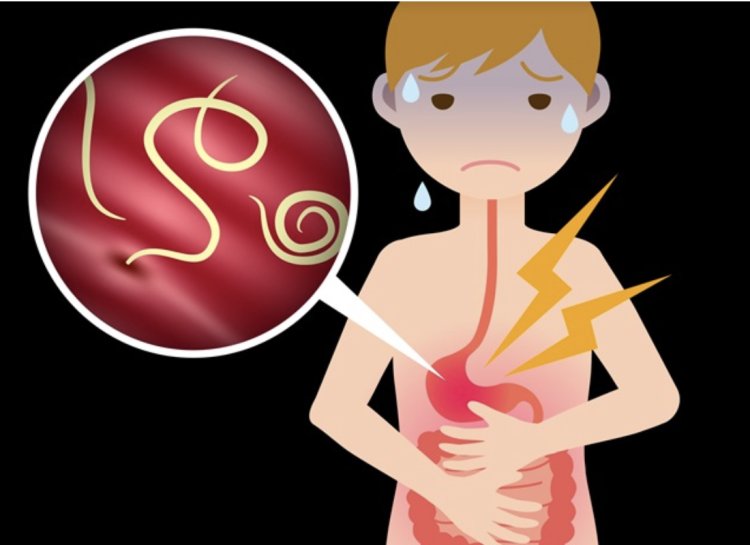
Parasitic worm infections also known as helminth infections remain one of the most overlooked health threats worldwide. While they are often associated with developing countries, these infections can affect people in many regions due to travel, contaminated food, poor sanitation, and close contact with infected environments.
The hidden nature of these infections means that many individuals may carry parasites for months or even years without realizing the harm being done inside their bodies. Understanding the risks, symptoms, and treatment options is essential for protecting public health and preventing long-term complications.
What Are Parasitic Worm Infections?
Parasitic worms are organisms that live inside the human body and feed on nutrients from their host. The most common types include roundworms, tapeworms, hookworms, and whipworms. These parasites usually enter the body through contaminated food or water, contact with infected soil, or poor hygiene practices.
Once inside the body, parasitic worms can live in the intestines, bloodstream, liver, lungs, or other organs. Their presence disrupts normal bodily functions and may lead to a range of health problems. In many cases, infections develop gradually, making them difficult to detect in the early stages.
Why These Infections Are Often Overlooked
One of the biggest dangers of parasitic worm infections is that symptoms can be mild or mistaken for other conditions. Early signs may include fatigue, digestive discomfort, mild abdominal pain, or occasional diarrhea. Because these symptoms are common in many illnesses, patients and even healthcare providers may not immediately suspect a parasitic infection.
Over time, however, the parasites multiply and begin to cause more serious complications. Nutrient absorption becomes impaired, leading to deficiencies in vitamins, iron, and essential minerals. Children are particularly vulnerable because these infections can interfere with growth and cognitive development.
Common Symptoms of Worm Infections
Although symptoms vary depending on the type of parasite, some common warning signs include:
-
Persistent stomach pain
-
Nausea or vomiting
-
Diarrhea or constipation
-
Unexplained weight loss
-
Fatigue and weakness
-
Itching around the anal area
-
Visible worms in stool
In more severe cases, infections may cause anemia, intestinal blockages, or damage to vital organs. When left untreated, these complications can significantly affect a person’s quality of life.
Long-Term Health Consequences
The long-term impact of parasitic worm infections is often underestimated. Chronic infections can weaken the immune system, making individuals more vulnerable to other diseases. Continuous nutrient loss may lead to malnutrition even in individuals who consume adequate food.
For children, the consequences can be even more severe. Studies have shown that prolonged helminth infections can impair physical growth and reduce academic performance due to fatigue and difficulty concentrating.
Adults may also experience reduced productivity and persistent health problems that affect daily activities. In some cases, parasites migrate to other organs, causing inflammation and tissue damage.
Global Burden of Worm Infections
Parasitic worm infections affect billions of people worldwide. According to global health organizations, soil-transmitted helminths alone infect more than a billion individuals. Areas with poor sanitation, limited access to clean water, and inadequate healthcare infrastructure tend to have the highest prevalence.
However, globalization and international travel have increased the spread of these infections beyond traditionally affected regions. Food imports, tourism, and migration contribute to the transmission of parasites across borders.
This growing concern has led to increased demand for effective antiparasitic medications and reliable pharmaceutical supply chains. As a result, many healthcare providers work closely with a trusted nitazoxanide supplier to ensure consistent availability of treatment options for parasitic infections.
Diagnosis and Medical Treatment
Accurate diagnosis usually involves laboratory tests such as stool examinations, blood tests, or imaging studies. These tests help identify the type of parasite and determine the most effective treatment.
Antiparasitic medications are the primary method of treatment. Drugs such as albendazole, mebendazole, and nitazoxanide are commonly prescribed depending on the infection type. These medications work by disrupting the parasite’s metabolism, preventing it from surviving inside the host.
Healthcare providers often rely on pharmaceutical distributors to maintain a stable supply of these medications. Choosing a reputable nitazoxanide supplier is particularly important for clinics and hospitals treating parasitic infections, as this medication is widely used for certain protozoal and helminth infections.
Preventing Parasitic Worm Infections
Prevention remains the most effective strategy for reducing the burden of worm infections. Simple hygiene and sanitation practices can significantly lower the risk of exposure. Key preventive measures include:
-
Washing hands thoroughly before eating and after using the restroom
-
Drinking clean, treated water
-
Cooking meat and seafood thoroughly
-
Washing fruits and vegetables before consumption
-
Wearing footwear when walking on soil in high-risk areas
-
Maintaining proper sanitation facilities
Public health campaigns that promote hygiene education and regular deworming programs have shown positive results in many communities.
Importance of Reliable Pharmaceutical Supply
The availability of effective medications is critical for controlling parasitic infections. Hospitals, pharmacies, and public health organizations depend on reliable pharmaceutical partners to maintain consistent treatment supplies.
Working with a certified nitazoxanide supplier ensures that healthcare providers receive high-quality medication that meets regulatory standards. Reliable suppliers also support global health initiatives by providing affordable treatment options to regions where parasitic infections are most prevalent.
In addition, pharmaceutical suppliers play an important role in maintaining drug quality during transportation and storage, ensuring that medications remain effective when they reach patients.
Raising Awareness About Hidden Threats
Despite their widespread impact, parasitic worm infections still receive limited attention compared to other infectious diseases. Increased awareness is essential to encourage early diagnosis, proper treatment, and improved sanitation practices.
Healthcare professionals, governments, and pharmaceutical companies must work together to address the challenges associated with parasitic infections. Educational campaigns, better diagnostic tools, and improved access to medications can significantly reduce the global burden of these diseases.
Conclusion
Parasitic worm infections may be hidden, but their impact on human health is substantial. From nutrient deficiencies and chronic illness to impaired childhood development, these infections can cause long-term harm if left untreated. Early detection, effective medications, and preventive hygiene practices are key to controlling their spread.
Equally important is ensuring access to safe and reliable treatments. By partnering with a reputable nitazoxanide supplier, healthcare providers can ensure that patients receive the medications they need to recover and maintain good health. Increased awareness and coordinated global efforts will ultimately help reduce the threat posed by parasitic worm infections and protect communities around the world.