

Tooth Decay in Preschoolers: Causes, Prevention & Tips
Explore the roles, duties, and impact of a health education specialist—educating communities, promoting wellness, and driving positive health outcomes.
 davidkhalil300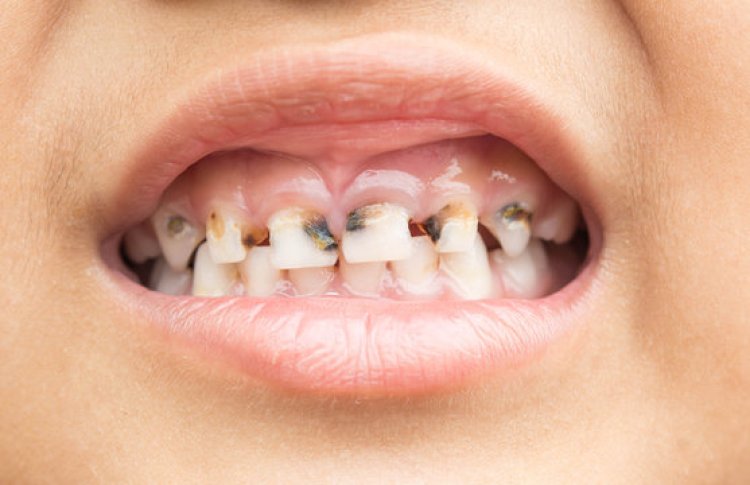
Tooth health is a cornerstone of overall wellness, even for the youngest members of our families. Unfortunately, tooth decay in preschoolers is a common issue that many parents underestimate. Understanding its causes, recognizing early signs, and implementing effective prevention strategies are crucial for ensuring your child’s bright smile and lifelong oral health. This guide provides a comprehensive overview of everything you need to know about tooth decay in preschoolers.
Understanding Tooth Decay in Preschoolers
Tooth decay in preschoolers occurs when the enamel of a child’s teeth is eroded by acids produced by bacteria in the mouth. These bacteria thrive on sugars and starches found in common snacks and beverages, leading to cavities that can affect both baby teeth and permanent teeth developing underneath. Early childhood is particularly vulnerable because enamel on primary teeth is thinner than on adult teeth, making them more susceptible to damage.
Left untreated, tooth decay in preschoolers can result in pain, infection, difficulty eating, and speech problems. Parents often overlook the importance of primary teeth, assuming they will be replaced by adult teeth. However, healthy baby teeth play a vital role in guiding permanent teeth into place and supporting proper jaw development.
Common Causes of Tooth Decay in Preschoolers
Several factors contribute to tooth decay in preschoolers, many of which are influenced by diet, hygiene habits, and lifestyle choices:
-
Frequent Sugar Exposure: Snacks like candy, cookies, and sugary drinks feed harmful bacteria.
-
Inadequate Oral Hygiene: Irregular brushing and flossing allow plaque buildup, accelerating decay.
-
Nighttime Bottle Feeding: Prolonged exposure to milk or juice while sleeping can cause "baby bottle tooth decay."
-
Genetic Factors: Some children may inherit weaker enamel or saliva with less protective qualities.
-
Lack of Fluoride: Fluoride strengthens enamel and prevents cavities. Insufficient exposure increases risk.
Understanding these causes empowers parents to take preventive measures and instill healthy habits from an early age.
Recognizing the Signs of Tooth Decay
Early detection of tooth decay in preschoolers is critical. Parents should watch for:
-
White, chalky spots on teeth
-
Brown or black discoloration
-
Sensitivity to hot, cold, or sweet foods
-
Pain while chewing
-
Swollen or bleeding gums
Regular dental visits are essential for spotting early signs that may not be visible to the naked eye. Pediatric dentists recommend examinations every six months to monitor oral development and identify cavities before they progress.
Broadway Family Dentistry emphasizes the importance of routine dental checkups for preschoolers. Professional evaluations help parents address issues proactively, ensuring that minor cavities don’t escalate into more serious oral health problems.
Effective Prevention Strategies for Tooth Decay
Preventing tooth decay in preschoolers involves a combination of proper oral hygiene, dietary management, and professional care:
-
Brushing Twice Daily: Use a small, soft-bristled toothbrush and a pea-sized amount of fluoride toothpaste.
-
Flossing: Begin flossing as soon as two teeth touch.
-
Healthy Eating Habits: Limit sugary snacks and drinks; encourage water, fruits, and vegetables.
-
Fluoride Treatments: Ask your dentist about topical fluoride applications to strengthen enamel.
-
Dental Sealants: Protective coatings applied to molars can prevent decay in hard-to-reach areas.
Consistent routines and parental involvement play a pivotal role in forming lifelong healthy oral habits.
Diet Tips to Reduce Tooth Decay in Preschoolers
Diet has a direct impact on the risk of tooth decay in preschoolers. Here are practical tips:
-
Offer crunchy fruits and vegetables to naturally clean teeth.
-
Serve dairy products like yogurt and cheese for calcium and phosphate, which strengthen enamel.
-
Limit sugary snacks and drinks, including fruit juices and soda.
-
Encourage water consumption, especially between meals.
-
Avoid putting children to bed with bottles containing anything other than water.
Parents who focus on nutritious, tooth-friendly meals significantly reduce the likelihood of cavities and contribute to overall wellness.
Role of Oral Hygiene Habits
Establishing solid oral hygiene habits early is essential for preventing tooth decay in preschoolers. Teaching children proper brushing and flossing techniques ensures they maintain their oral health as they grow. Consider these strategies:
-
Make brushing fun with colorful toothbrushes or timed songs.
-
Supervise brushing to ensure proper technique.
-
Use flossers or dental picks designed for young children.
-
Create a reward system to motivate consistent oral care.
When children develop positive habits, they’re more likely to maintain these practices into adolescence and adulthood, reducing long-term dental issues.
Treatment Options for Tooth Decay in Preschoolers
Even with preventive care, some children may experience tooth decay in preschoolers. Treatment depends on the severity:
-
Fluoride Applications: Early-stage cavities may be halted with professional fluoride treatments.
-
Fillings: Cavities that penetrate enamel often require fillings.
-
Crowns: Severely decayed teeth may need protective crowns to restore function and appearance.
-
Extractions: In extreme cases, removing a damaged tooth may be necessary to prevent infection.
Prompt treatment minimizes discomfort, prevents further decay, and supports proper oral development. Pediatric dentists work closely with parents to create child-friendly treatment plans that reduce fear and anxiety.
Long-Term Impact and Parental Guidance
The consequences of tooth decay in preschoolers extend beyond immediate dental problems. Untreated cavities can affect nutrition, speech development, and self-esteem. Parents play a pivotal role in guiding children toward lifelong oral health. Recommendations include:
-
Establishing consistent dental visits
-
Reinforcing daily oral hygiene routines
-
Modeling good oral care behaviors
-
Monitoring dietary habits and sugar intake
By actively participating in their child’s oral health, parents can significantly reduce the risk of decay and help maintain a healthy, confident smile.
Conclusion
Tooth decay in preschoolers is a preventable condition that requires awareness, proactive care, and professional support. From understanding its causes to implementing preventive measures, parents can protect their child’s dental health effectively. Incorporating proper hygiene, nutritious diets, regular dental visits, and early treatment ensures that preschoolers grow with healthy teeth and a lifetime of positive oral health habits. Consulting professionals like Broadway Family Dentistry can provide tailored guidance and support, making the journey toward cavity-free teeth much easier. By prioritizing oral health today, parents give their children the foundation for a healthy smile tomorrow.