

Understanding Irreversible Pulpitis: Causes and Symptoms
Learn about irreversible pulpitis—its causes, common symptoms like severe tooth pain and sensitivity, and why timely dental care is crucial to prevent complications.
 davidkhalil300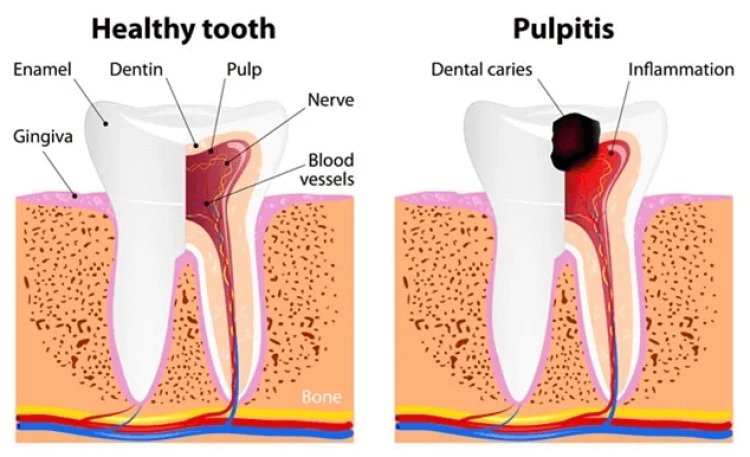
Dental health is an essential part of overall well-being, and understanding specific dental conditions can help prevent severe complications. One such condition is Irreversible Pulpitis, a painful dental issue that affects the innermost tissues of the tooth. This article delves into the causes, symptoms, and management of Irreversible Pulpitis, offering insights into maintaining dental health.
What is Irreversible Pulpitis?
Irreversible Pulpitis is a condition where the dental pulp—the soft tissue inside the tooth containing nerves and blood vessels—becomes inflamed and cannot heal on its own. Unlike reversible pulpitis, which may resolve with proper treatment, Irreversible Pulpitis often requires root canal therapy or even extraction in severe cases. The inflammation can result from deep tooth decay, trauma, or repeated dental procedures.
Patients with Irreversible Pulpitis typically experience sharp, lingering pain, especially when exposed to hot or cold stimuli. Understanding this condition is critical for timely intervention and avoiding further complications such as abscesses or systemic infections.
Causes of Irreversible Pulpitis
Several factors contribute to the development of Irreversible Pulpitis. The most common cause is untreated dental decay that penetrates through enamel and dentin, reaching the pulp. Other causes include:
-
Dental trauma: A fractured or chipped tooth can expose the pulp to bacteria.
-
Repeated dental procedures: Multiple fillings or crowns on the same tooth can irritate the pulp.
-
Cracked teeth: Tiny cracks can allow bacteria to reach the inner pulp.
-
Advanced gum disease: Severe periodontal infections can sometimes affect the pulp.
Identifying the cause early is vital. If left untreated, Irreversible Pulpitis can lead to severe pain and may compromise the surrounding teeth and jawbone.
Recognizing the Symptoms of Irreversible Pulpitis
One of the most distinguishing aspects of Irreversible Pulpitis is its symptom profile. Common signs include:
-
Persistent, sharp tooth pain that may radiate to the jaw, ear, or head.
-
Pain triggered by temperature changes or sugary foods.
-
Swelling or tenderness in the surrounding gums.
-
Sensitivity that lingers even after removing the stimulus (hot/cold).
It is crucial to note that unlike minor dental discomfort, the pain from Irreversible Pulpitis does not subside quickly. Consulting a dentist at the first sign of persistent tooth pain can prevent further damage.
Dental Care Tips for Prevention
Preventing Irreversible Pulpitis involves adopting proper oral hygiene practices. Maintaining regular dental check-ups can detect early signs of tooth decay or trauma. Some essential Dental Care Tips include:
-
Brushing teeth twice daily with fluoride toothpaste.
-
Flossing regularly to remove food particles and plaque between teeth.
-
Avoiding excessive sugary foods and drinks.
-
Wearing mouthguards during sports to prevent dental trauma.
By following these Dental Care Tips, individuals can reduce the risk of developing Irreversible Pulpitis and other serious dental conditions.
Diagnosing Irreversible Pulpitis
Diagnosing Irreversible Pulpitis requires a dental professional’s evaluation, which typically includes:
-
Clinical examination: The dentist checks for cavities, cracks, and gum inflammation.
-
Sensitivity tests: Applying hot, cold, or electric stimuli to evaluate pulp response.
-
X-rays: Imaging helps detect decay, abscesses, or bone involvement.
Accurate diagnosis is essential to determine whether a tooth can be saved through root canal treatment or needs extraction. Ignoring symptoms may worsen the infection, leading to more complicated procedures.
Treatment Options for Irreversible Pulpitis
Once diagnosed, treating Irreversible Pulpitis focuses on removing the inflamed pulp and preventing infection spread. Treatment options include:
-
Root canal therapy: The most common procedure, involving pulp removal, cleaning, and sealing the tooth.
-
Dental crown placement: Often performed after a root canal to restore tooth structure.
-
Tooth extraction: Necessary when the tooth is severely damaged or cannot be restored.
-
Pain management: Over-the-counter medications or dentist-prescribed analgesics can help manage discomfort temporarily.
Prompt treatment of Irreversible Pulpitis not only alleviates pain but also prevents complications such as abscess formation or systemic infection.
Complications of Untreated Irreversible Pulpitis
Failing to treat Irreversible Pulpitis can lead to severe complications, including:
-
Dental abscess: Accumulation of pus that can spread to surrounding tissues.
-
Tooth loss: Persistent infection can weaken the tooth structure.
-
Bone infection: Rarely, infection can reach the jawbone.
-
Systemic health issues: In severe cases, dental infections can impact overall health.
These potential complications highlight the importance of seeking early dental care when experiencing symptoms of Irreversible Pulpitis.
Lifestyle Adjustments to Support Dental Health
Beyond professional treatment, individuals can adopt lifestyle changes to support recovery and prevent future issues. Key practices include:
-
Maintaining a balanced diet rich in vitamins and minerals for strong teeth.
-
Avoiding smoking and excessive alcohol, which can impair oral healing.
-
Staying hydrated to promote saliva production, which naturally protects teeth.
-
Scheduling regular dental cleanings every six months to catch early signs of decay.
Combining professional care with these healthy habits can significantly reduce the risk of developing Irreversible Pulpitis.
When to See a Dentist
Timely intervention is critical in managing Irreversible Pulpitis. One should see a dentist immediately if experiencing:
-
Persistent tooth pain lasting more than a day or two.
-
Severe sensitivity to temperature or pressure.
-
Swelling in the gums or jaw.
-
Fever or general malaise accompanying dental pain.
Early consultation can save the tooth, minimize pain, and reduce the risk of complications. Dental professionals can provide tailored advice and treatment plans to address Irreversible Pulpitis effectively.
Conclusion
Irreversible Pulpitis is a serious dental condition that requires prompt attention. Understanding its causes, recognizing the symptoms, and seeking timely professional care are essential steps in managing this condition. By integrating Dental Care Tips and adopting healthy oral hygiene practices, individuals can protect their teeth, prevent infections, and maintain overall dental health. Regular dental check-ups and awareness of oral symptoms are the keys to preventing Irreversible Pulpitis from causing lasting damage.