
How Do Traffic Equipments Help Control Urban and Highway Traffic?
Urban roads and highways handle a constant flow of vehicles, pedestrians, and commercial transport.
 Cone Rental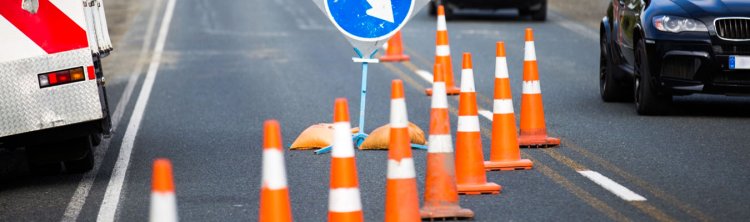
Urban roads and highways handle a constant flow of vehicles, pedestrians, and commercial transport. Without proper control measures, congestion, confusion, and accidents can easily occur. Traffic control solutions are designed to guide movement, reduce risks, and maintain order across busy road networks. From construction zones to parking areas and highways, well-placed traffic management tools play a critical role in keeping roads functional and safe. How different traffic control solutions support urban and highway traffic regulation and why their correct usage is essential for modern infrastructure.
TRAFFIC EQUIPMENTS AS THE FOUNDATION OF ROAD CONTROL
Traffic equipments form the backbone of traffic management systems in cities and on highways. These include cones, barriers, signboards, barricades, and warning devices used to direct vehicles and pedestrians safely through controlled areas. In urban environments, traffic equipments help manage lane closures, road repairs, public events, and emergency situations. On highways, they provide advance warnings, channel traffic flow, and reduce sudden braking or lane changes. Their visibility, standardized design, and strategic placement help road users quickly understand changes in road conditions. Traffic equipments are also essential during temporary traffic diversions. Clear demarcation of lanes and work zones helps drivers make safe decisions even at higher speeds. When deployed correctly, they reduce the chances of accidents while maintaining smooth movement through affected areas.
ROAD BARRIER SYSTEMS FOR PHYSICAL TRAFFIC SEPARATION
Road barrier solutions are used to create physical separation between traffic lanes, pedestrians, and restricted zones. Unlike lightweight cones, road barriers provide a stronger visual and structural boundary, especially in high-risk areas. On highways, road barriers help prevent vehicles from entering construction zones or crossing into opposing traffic lanes. In urban settings, they are commonly used near footpaths, intersections, and road maintenance areas to protect pedestrians and workers. Road barriers also assist in crowd and vehicle control during public events, ensuring that traffic remains directed and organized. Their solid presence sends a clear signal to drivers, reducing sudden lane violations and improving overall traffic discipline.
PARKING CONES FOR ORGANIZED VEHICLE MANAGEMENT
Parking cones play a key role in managing vehicle movement in parking areas, commercial spaces, and residential zones. They help mark reserved spaces, restricted zones, and temporary no-parking areas with high visibility. In urban environments, parking cones reduce confusion by clearly defining parking boundaries. They are often used in malls, office complexes, event venues, and roadside parking areas to maintain order and prevent unauthorized parking. Parking cones also support traffic flow by keeping entry and exit points clear. Their lightweight design allows quick repositioning, making them ideal for short-term traffic adjustments. When used consistently, they contribute to better space utilization and reduced congestion in busy parking zones.
TEMPORARY SIGNBOARD SOLUTIONS FOR DRIVER COMMUNICATION
Temporary Signboard systems are essential tools for communicating real-time road information to drivers. These signboards provide warnings, directions, speed advisories, and alerts about upcoming road conditions. On highways, temporary signboards inform drivers about lane closures, diversions, construction zones, or accidents ahead. Early warnings help drivers adjust speed and lane position safely. In urban areas, they guide traffic during roadworks, utility repairs, and special events. Temporary signboards are designed for high visibility, often using reflective materials or bold symbols. Their clear messaging reduces confusion and improves reaction time, making them an important element in reducing traffic disruptions and maintaining road safety.
JKR SIGNAGE FOR STANDARDIZED TRAFFIC CONTROL
Jkr signage follows established road safety standards and regulations, ensuring consistency across Malaysian road networks. These signages are widely used in government projects, highways, and municipal roadworks. JKR signage helps drivers quickly recognize instructions due to familiar colors, shapes, and symbols. This standardization is especially important on highways, where quick decision-making is required at higher speeds. In urban environments, jkr signage supports orderly traffic movement by providing clear guidance at intersections, pedestrian crossings, and construction zones. Proper usage of standardized signage improves compliance, reduces driver hesitation, and enhances overall traffic flow.
THE COMBINED ROLE OF TRAFFIC CONTROL SOLUTIONS
Each traffic control tool serves a specific purpose, but their combined use creates a comprehensive traffic management system. Traffic equipments guide movement, road barriers provide physical separation, parking cones organize spaces, temporary signboards communicate changes, and jkr signage ensures consistency. When deployed together, these tools help minimize congestion, prevent accidents, and maintain smooth transitions during road changes. Their role becomes even more critical in fast-growing urban areas and busy highway networks where traffic volumes continue to rise.
CONCLUSION
Traffic control solutions are essential for managing both urban and highway traffic safely and effectively. By guiding drivers, protecting pedestrians, and clearly marking road conditions, these tools help maintain order across complex road networks.
Proper planning, placement, and maintenance of traffic control systems ensure that roads remain safe and functional under all conditions. As cities expand and traffic demands increase, the importance of reliable traffic management solutions continues to grow.