
Understanding CT Coronary Angiography: Procedure, Uses, and Benefits
CT Coronary Angiography is a non-invasive imaging test used to detect blockages in the heart’s arteries. This guide explains the procedure, benefits, preparation, and who should consider the test for early diagnosis and better heart health.
 Cityxray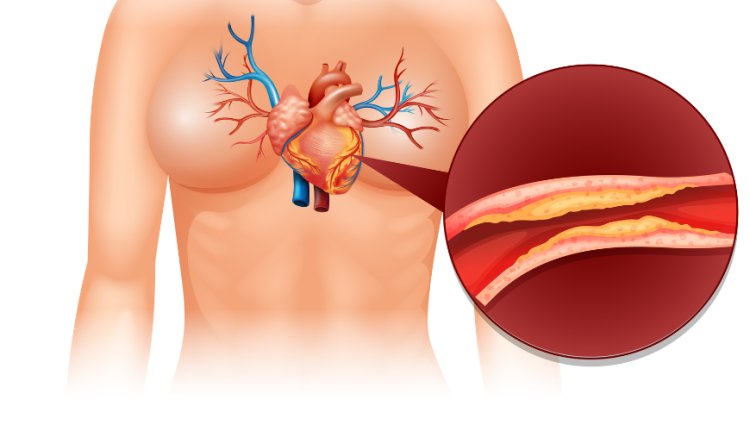
Heart health is one of the most critical aspects of overall well-being, especially with the rising cases of cardiovascular diseases. Early detection plays a vital role in preventing serious complications such as heart attacks. One of the most advanced and non-invasive diagnostic tools available today is CT Coronary Angiography, which helps doctors visualize the arteries supplying blood to the heart.
After understanding the importance of early diagnosis, many patients start searching for the CT coronary angiography price to understand the cost involved and also look for CT coronary angiography near me to find reliable diagnostic centers nearby. This guide will help you understand everything about the test, including its procedure, benefits, and important considerations.
What is CT Coronary Angiography?
CT Coronary Angiography (CTCA) is a specialized imaging test that uses a CT scan along with contrast dye to produce detailed images of the coronary arteries. These arteries are responsible for supplying oxygen-rich blood to the heart muscles. This test is non-invasive, unlike traditional coronary angiography, and is widely used to detect blockages, narrowing, or plaque buildup in the arteries.
Why is CT Coronary Angiography Done?
Doctors recommend this test for several reasons, especially when patients show symptoms related to heart disease.
Common Reasons Include:
- Chest pain or discomfort
- Shortness of breath
- Suspected coronary artery disease
- High cholesterol levels
- Family history of heart disease
- Evaluation of abnormal ECG or stress test results
CT coronary angiography helps in early diagnosis, which can prevent severe cardiac conditions.
Procedure of CT Coronary Angiography
The procedure is simple, quick, and usually completed within a short duration.
Step-by-Step Process:
- Preparation
- You may be asked to avoid eating for a few hours before the test
- Heart rate may be controlled using medication
- Contrast Injection
- A contrast dye is injected into a vein to highlight blood vessels
- Scanning
- You lie on a table that slides into the CT scanner
- The machine captures detailed images of your heart
- Post-Procedure
- You can usually resume normal activities after the test
This non-invasive approach makes it a preferred choice over traditional angiography in many cases.
Benefits of CT Coronary Angiography
CTCA offers several advantages that make it a popular diagnostic test.
Key Benefits:
- Non-invasive and painless
- Quick and accurate results
- Detects early-stage heart disease
- Helps avoid unnecessary invasive procedures
- Provides detailed images of coronary arteries
Because of these benefits, more people are searching for CT coronary angiography near me to access nearby diagnostic centers.
Important Considerations Before the Test
Before undergoing CT Coronary Angiography, it is important to understand certain factors that may affect your suitability for the test.
You Should Inform Your Doctor If:
- You are pregnant
- You have kidney-related issues
- You are allergic to contrast dye
- You have irregular heart rhythms
Proper medical guidance ensures safety and accuracy during the test.
Risks and Safety Considerations
CTCA is considered safe, but like any medical procedure, it carries minimal risks.
Possible Risks:
- Mild allergic reaction to contrast dye
- Exposure to low levels of radiation
- Temporary discomfort during injection
Modern CT technology is designed to reduce risks and ensure patient safety.
Preparation Tips for CT Coronary Angiography
To ensure accurate results, proper preparation is important.
Before the Test:
- Avoid caffeine and smoking
- Follow fasting instructions
- Inform your doctor about medications
- Wear comfortable clothing
After the Test:
- Drink plenty of water to help remove contrast dye
- Resume normal activities unless advised otherwise
CT Coronary Angiography vs Traditional Angiography
CT Coronary Angiography is non-invasive and does not require inserting instruments into the body, making it safer and more comfortable for patients. The procedure is quicker and allows immediate recovery, so patients can return to their daily activities soon after the scan.
In contrast, traditional angiography is an invasive procedure that involves inserting a catheter into the blood vessels. It usually takes longer and requires some recovery time after the procedure. Additionally, it carries a slightly higher risk compared to CT coronary angiography.
When Should You Get This Test?
You should consider CT Coronary Angiography if you:
- Have symptoms of heart disease
- Are at high risk due to lifestyle or genetics
- Want a preventive heart screening
- Have inconclusive test results
Early detection can significantly reduce the risk of serious complications.
Conclusion
CT Coronary Angiography is a highly effective, non-invasive test that plays a crucial role in diagnosing heart conditions early. With its quick procedure, accurate results, and minimal risks, it has become a preferred choice for both doctors and patients. If you are planning to undergo this test, you can start by searching for CT coronary angiography near me to find a trusted diagnostic center. Before booking, it is also helpful to check the CT coronary angiography price so you can choose an option that suits your needs and ensures the best care for your heart health.