
How Vending Machines Support Students During Busy School Days
Discover how modern vending machines are transforming school life in Australia by keeping students fuelled, focused, and ready to learn every single day.
 freyaparker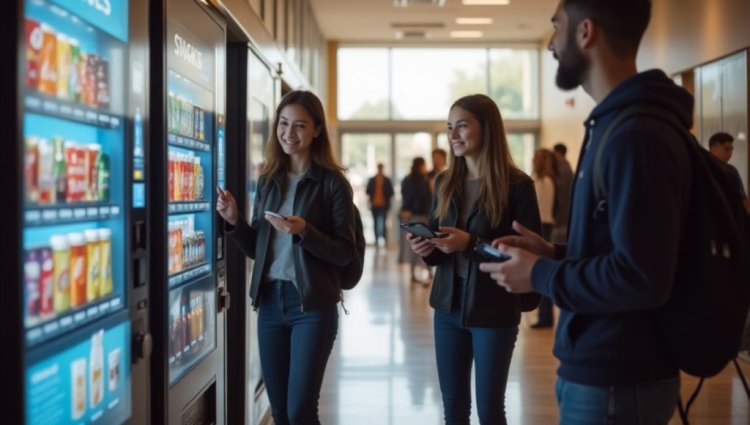
School days in Australia are anything but leisurely. Between early morning sport, back-to-back classes, lunchtime clubs, and afternoon study sessions, students are constantly on the move with barely a moment to catch their breath. It is within this fast-paced environment that the benefits of vending machines in schools become genuinely hard to overlook. Far from the outdated image of sugar-laden snack dispensers tucked into dusty corridors, today's school vending machines are thoughtfully curated, nutritionally conscious, and strategically placed to serve students at the moments they need it most.
The Changing Landscape of School Nutrition
Australian schools have undergone a significant shift in how they approach student wellbeing. Canteens, once the sole provider of midday sustenance, often operate within narrow windows that leave early risers and after-school participants without a reliable food source. Governing bodies across states and territories have pushed hard for healthier school environments, and food accessibility has become a cornerstone of that conversation.
Vending machines, when managed responsibly, fit neatly into this evolving picture. They bridge the gap between structured meal times and the unpredictable rhythms of a busy school day, offering students a consistent and accessible means of refuelling without disrupting the flow of learning.
Why Timing Matters More Than Most Realise
Cognitive performance in young people is closely tied to nutritional intake. Research consistently shows that students who eat regularly throughout the day demonstrate better concentration, improved memory retention, and more stable moods in the classroom. A student who misses breakfast due to an early bus or rushes through recess without eating is not simply hungry; they are cognitively disadvantaged for the hours that follow.
This is precisely where healthy vending machines for students step in to make a meaningful difference. Modern units stocked with wholegrain muesli bars, fresh fruit cups, yoghurt pouches, nut mixes, and fortified beverages give students the option to top up their energy at any point in the day. It is not about replacing wholesome meals but about ensuring no student has to power through a double period of mathematics on an empty stomach.
Accessibility, Equity, and Student Independence
One aspect of school vending that rarely receives the attention it deserves is the role these machines play in promoting equity. Not every student arrives at school having eaten a proper breakfast. Not every family has the time or resources to prepare elaborate lunchboxes each morning. For these students, a vending machine stocked with affordable, nourishing options can be nothing short of a lifeline.
Beyond nutrition, there is a quieter benefit worth acknowledging: the development of independent decision-making. When students are presented with a range of choices and trusted to select something appropriate for their needs, they begin to build the kind of food literacy that will serve them well into adulthood. Schools that thoughtfully curate their vending offerings are, in a very real sense, teaching students how to make considered choices rather than simply making choices for them.
Supporting Staff and Visitors Too
It would be short-sighted to frame this conversation as one that concerns only students. Teachers running back-to-back classes with a ten-minute recess between lessons rarely have the luxury of a long break. Support staff, parents attending meetings, and visitors to the school campus all benefit from having a convenient and reasonably priced food option readily available.
In this respect, school vending machine solutions serve the broader school community rather than a single demographic. A well-placed machine near the administration block or staffroom can meaningfully improve the daily experience of everyone who passes through the school gates, not just the Year 10s rushing from PE to maths.
Addressing the Concerns Parents and Schools Raise
It would be disingenuous to write about school vending machines without acknowledging the legitimate concerns that parents and educators sometimes voice. Chief among these is the worry that vending machines will become vectors for junk food consumption, undermining the nutritional guidelines schools work hard to uphold.
This concern, while understandable, is increasingly at odds with the reality of modern vending technology. School-approved vending operators across Australia are subject to strict nutritional guidelines. Many states require that a significant proportion of vending machine stock meet specific health star ratings or align with the traffic light food classification system. Smart vending technology also allows schools to programme machines to disable certain products during core learning hours or to cap the quantity of any single item a student can purchase in a day.
Transparency and Parental Involvement
Schools that communicate openly about their vending arrangements tend to encounter far less resistance from the parent community. When families understand what is being stocked, why it has been selected, and how the revenue generated is being reinvested into school programmes, the conversation shifts from suspicion to support.
Some schools have gone a step further by involving student leadership groups in the product selection process. This approach not only increases buy-in but also gives young people a genuine stake in the decisions that affect their daily lives, which is a rather powerful form of civic education wrapped in something as ordinary as a snack machine.
Practical Considerations for Schools Thinking of Vending
For school administrators weighing up whether to introduce or expand vending options on their campus, a few practical considerations are worth bearing in mind.
Location is everything: A machine placed near a high-traffic area such as the gymnasium exit, the library foyer, or the main undercover area will see far greater use than one tucked away in a seldom-visited corridor. Strategic placement ensures students actually have access to it when they need it most.
Partner with reputable operators: Not all vending companies are created equal. Schools should look for operators with a demonstrated commitment to school nutrition guidelines, transparent pricing structures, and reliable maintenance schedules. A machine that is perpetually out of stock or malfunctioning does nobody any good.
Review the product mix regularly: Student preferences shift, nutritional guidelines evolve, and seasonal offerings can keep the selection feeling fresh and relevant. Building a review cycle into any vending agreement ensures the machines continue to serve the school's needs rather than simply running on autopilot.
A Quiet Revolution in School Wellbeing
There is something quietly revolutionary about the idea that a piece of equipment once associated with fizzy drinks and overpriced chocolate bars has become a meaningful contributor to student wellbeing in Australian schools. The journey from junk food dispenser to nutritional ally has not happened overnight, but it is well and truly underway.
When you consider the pace at which students move through their days, the pressure they are under academically and socially, and the patchy nature of traditional food service options, it becomes clear that vending machines are not a shortcut or a compromise. They are a practical, scalable, and increasingly evidence-backed way of ensuring every student has access to the fuel they need to show up, engage, and thrive.
Australian schools have always prided themselves on nurturing the whole child, not just the academic one. Ensuring students are adequately nourished throughout the school day is as fundamental to that mission as any lesson plan or pastoral programme. Vending machines, done well, are simply one more tool in that considerable effort.