
MRI LS Spine Scan: Cost, Uses, and Diagnostic Value for Back Pain Patients
Lower back pain is one of the leading causes of discomfort and reduced mobility among adults today.
 carebox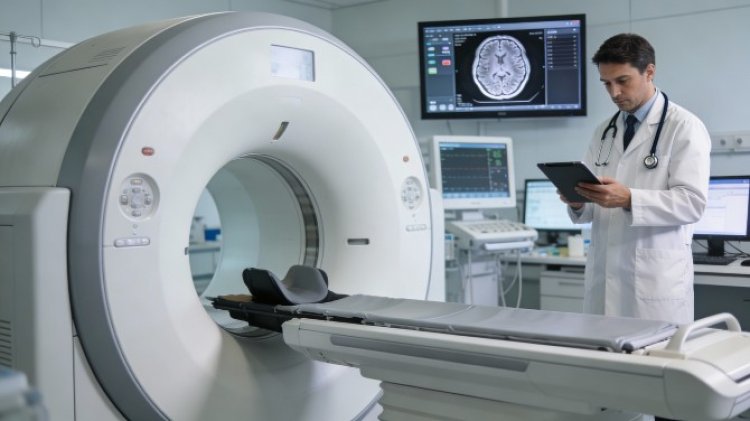
Lower back pain is one of the leading causes of discomfort and reduced mobility among adults today. Long sitting hours, improper posture, injuries, and age-related spinal degeneration have made lumbar spine issues increasingly common. When back pain becomes persistent, radiates to the legs, or is accompanied by numbness or weakness, doctors often recommend advanced imaging to identify the root cause.
Magnetic Resonance Imaging (MRI) is considered the gold standard for evaluating spinal conditions. It provides detailed images of discs, nerves, vertebrae, and surrounding soft tissues without using radiation. At CareBox, we focus on educating patients about diagnostic tests so they can make informed healthcare decisions with confidence.
For many patients planning advanced imaging, understanding the MRI LS Spine Cost in Delhi becomes an important part of their diagnostic journey.
What Is an MRI LS Spine Scan?
An MRI LS spine scan is a specialized imaging test that focuses on the lumbosacral region of the spine. This area includes the lumbar vertebrae (lower back) and the sacral spine, which together support most of the body’s weight and allow flexibility and movement.
MRI technology allows doctors to view:
-
Intervertebral discs
-
Spinal nerves and nerve roots
-
Spinal canal
-
Ligaments and soft tissues
-
Degenerative or inflammatory changes
Unlike X-rays or CT scans, MRI can detect early-stage spinal problems and soft tissue abnormalities with high precision.
When Do Doctors Recommend MRI LS Spine?
An MRI LS spine scan is commonly advised when symptoms suggest nerve or disc involvement. These may include:
-
Chronic lower back pain lasting more than a few weeks
-
Pain radiating to one or both legs (sciatica)
-
Tingling, numbness, or weakness in the lower limbs
-
Difficulty standing, walking, or bending
-
Suspected slipped disc or disc herniation
-
Degenerative spine disease
-
Spinal infections or tumors
MRI helps clinicians pinpoint the exact cause of symptoms, allowing for targeted treatment rather than trial-and-error approaches.
Conditions Diagnosed Using MRI LS Spine
MRI LS spine scans play a crucial role in diagnosing several spinal conditions:
Disc Herniation (Slipped Disc)
MRI clearly shows disc bulges or herniations pressing on spinal nerves.
Degenerative Disc Disease
Age-related wear and tear of spinal discs can be accurately assessed.
Spinal Stenosis
MRI detects narrowing of the spinal canal that can compress nerves.
Sciatica
MRI identifies nerve root compression responsible for radiating leg pain.
Spinal Infections or Tumors
Early detection of abnormal tissue growth or inflammation is possible through MRI.
Types of MRI LS Spine Scans
Depending on clinical requirements, doctors may recommend different MRI techniques:
Plain MRI LS Spine
Performed without contrast, suitable for evaluating disc problems, nerve compression, and degenerative changes.
Contrast MRI LS Spine
A contrast agent is injected to enhance visibility, often used when infection, tumors, or post-surgical complications are suspected.
How to Prepare for an MRI LS Spine Scan
MRI LS spine scans usually require minimal preparation.
Before the Scan
-
Inform the technician about pacemakers, implants, or any metal in your body
-
Remove all metallic objects such as belts, watches, and jewelry
-
Share medical history, allergies, or pregnancy status
-
Fasting may be required if contrast is planned
During the Scan
-
You will lie flat on the MRI table
-
The scan typically lasts 20–40 minutes
-
Loud knocking sounds are normal; ear protection is provided
-
Staying still is important for accurate imaging
After the Scan
-
Normal activities can be resumed immediately
-
Drinking water is advised if contrast was used
Is MRI LS Spine Safe?
MRI is considered a safe and non-invasive diagnostic procedure. It does not involve radiation, making it suitable for repeated imaging when clinically necessary. However, patients with certain metallic implants or electronic devices may not be eligible. Always inform the diagnostic team in advance.
CareBox-associated diagnostic partners strictly follow safety and quality protocols to ensure patient comfort and accurate results.
MRI LS Spine Cost in Delhi: What Influences Pricing?
The cost of an MRI LS spine scan in Delhi can vary due to several factors, including:
-
Type of scan (plain or contrast)
-
Strength of MRI machine (1.5 Tesla or 3 Tesla)
-
Location and infrastructure of the diagnostic centre
-
Expertise of radiologists
-
Additional imaging sequences if required
While affordability matters, CareBox encourages patients to prioritize diagnostic accuracy, modern equipment, and experienced professionals over cost alone.
Importance of Choosing the Right MRI Centre
The quality of an MRI scan depends not only on the machine but also on the diagnostic expertise behind it. When selecting a diagnostic facility, patients should consider:
Advanced Imaging Technology
High-field MRI machines produce clearer images and reduce scan time.
Experienced Radiology Team
Accurate interpretation is essential for correct diagnosis and treatment planning.
Patient Comfort
Supportive staff, clear instructions, and comfortable scanning environments help reduce anxiety.
Hygiene and Safety Standards
Clean facilities and strict protocols ensure patient well-being.
In major healthcare hubs, patients often choose MRI Scan in Delhi due to access to modern diagnostic infrastructure and skilled radiologists.
Benefits of Early MRI Diagnosis
Early diagnosis through MRI LS spine scans offers several advantages:
-
Identifies the exact cause of back pain
-
Enables timely and effective treatment
-
Prevents condition progression
-
Reduces the need for invasive procedures
-
Improves long-term mobility and quality of life
MRI plays a vital role in both diagnosis and treatment monitoring of spine-related disorders.
Frequently Asked Questions (FAQs)
Is MRI LS spine scan painful?
No, MRI is painless and non-invasive.
How long does the scan take?
Usually between 20 and 40 minutes.
Is MRI safe for elderly patients?
Yes, MRI is safe if there are no contraindications.
Is MRI better than X-ray for back pain?
Yes, MRI provides detailed images of nerves, discs, and soft tissues.
When will I receive my MRI report?
Most centres provide reports within 24–48 hours.
Conclusion
Lower back pain can significantly affect daily life, but accurate diagnosis is the first step toward effective treatment. MRI LS spine scans provide detailed insights into spinal structures, helping doctors identify the precise cause of pain and neurological symptoms.
Through its network of trusted diagnostic partners, CareBox is committed to making advanced imaging accessible, reliable, and patient-focused. Choosing a quality diagnostic facility ensures accurate results, timely reporting, and peace of mind—while understanding the MRI LS Spine Cost in Delhi helps patients plan their diagnostic care with clarity and confidence.