

Cases Where ITR Filing is Mandatory – Detailed Guide | Mohit S. Shah & Co.
Know when ITR filing is mandatory in India & explore the key benefits of filing your income tax return for better compliance & financial advantages.
 msshahco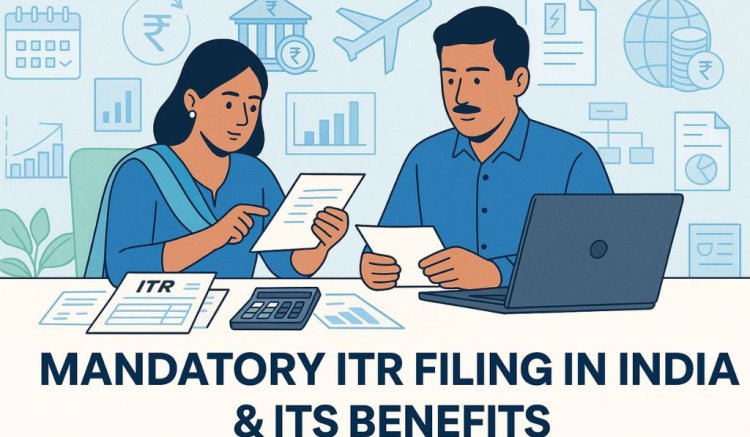
Filing your Income Tax Return (ITR) is a crucial financial responsibility for individuals, businesses, and professionals in India. While many people assume that ITR filing is only necessary when income exceeds the basic exemption limit, the reality is quite different. There are several cases where ITR filing is mandatory, regardless of income level.
In this comprehensive guide, we’ll break down all the situations where filing your ITR becomes compulsory and why staying compliant is essential. If you need expert assistance, Mohit S. Shah & Co. offers professional tax advisory and filing services to ensure smooth compliance.
What is ITR Filing?
Income Tax Return (ITR) is a form used to declare your income, expenses, deductions, and taxes paid to the Income Tax Department of India. Filing your ITR ensures transparency in your financial activities and helps avoid penalties.
Why is ITR Filing Important?
Before diving into the cases where ITR filing is mandatory, it’s important to understand why it matters:
- Legal compliance with tax laws
- Avoidance of penalties and notices
- Easy loan approvals (home, car, personal)
- Claiming tax refunds
- Visa processing support
- Carry forward of losses
Cases Where ITR Filing is Mandatory
Let’s explore the key scenarios where filing your ITR is not optional but compulsory.
1. Income Exceeds Basic Exemption Limit
The most common case where ITR filing is mandatory is when your total income exceeds the basic exemption limit:
- ₹2.5 lakh for individuals below 60 years
- ₹3 lakh for senior citizens (60–80 years)
- ₹5 lakh for super senior citizens (80+ years)
Even if tax payable is zero after deductions, filing ITR is still mandatory if your income crosses these thresholds.
2. Deposits Above ₹1 Crore in Bank Accounts
If you have deposited more than ₹1 crore in one or more current accounts during a financial year, you must file your ITR.
This rule applies regardless of your income level and is closely monitored by the Income Tax Department.
3. Foreign Travel Expenses Above ₹2 Lakh
If you have spent more than ₹2 lakh on foreign travel for yourself or any other person, ITR filing becomes mandatory—even if your income is below the exemption limit.
This includes travel expenses paid via credit card, cash, or any other mode.
4. Electricity Consumption Above ₹1 Lakh
If your electricity bill exceeds ₹1 lakh in a financial year, you are required to file your ITR.
This rule ensures that individuals with high spending patterns remain within the tax compliance framework.
5. TDS or TCS Deducted Above Specified Limits
If the total TDS (Tax Deducted at Source) or TCS (Tax Collected at Source) is:
- ₹25,000 or more (₹50,000 for senior citizens)
You must file your ITR, even if your total income is below taxable limits.
6. Holding Foreign Assets or Income
If you own foreign assets such as:
- Property outside India
- Foreign bank accounts
- Shares or investments abroad
Or if you earn any income from foreign sources, filing ITR is mandatory.
Non-compliance in such cases can attract heavy penalties under the Black Money Act.
7. Business or Professional Income
If you are:
- Running a business
- Working as a freelancer or consultant
- Earning professional income
You are required to file ITR, especially if your total income exceeds the exemption limit.
Even under presumptive taxation schemes, filing ITR is compulsory.
8. Claiming Refund of Excess Tax Paid
If excess tax has been deducted and you wish to claim a refund, filing your ITR is mandatory.
Without filing, you cannot get your refund processed.
9. Carry Forward of Losses
To carry forward losses such as:
- Capital losses
- Business losses
You must file your ITR within the due date. Missing this can result in losing the benefit of adjusting losses in future years.
10. Companies and Firms
All companies and partnership firms must file their ITR, irrespective of:
- Profit or loss
- Income level
This is a strict legal requirement under the Income Tax Act.
11. Individuals Applying for Loans or Visas
While not a direct legal mandate, many banks and embassies require ITR records as proof of income.
In such cases, filing ITR becomes practically mandatory.
12. Residents with High-Value Transactions
If you engage in high-value financial transactions like:
- Purchasing property
- Investing large sums in mutual funds or stocks
- High credit card spending
The Income Tax Department may expect you to file ITR to justify your financial activity.
Penalties for Not Filing ITR
Ignoring the cases where ITR filing is mandatory can lead to serious consequences:
- Late filing fee up to ₹5,000
- Interest on tax dues
- Loss of refund claims
- Inability to carry forward losses
- Notices from the Income Tax Department
- Possible legal action in severe cases
Due Dates for ITR Filing
Typically, the due dates are:
- 31st July – For individuals (non-audit cases)
- 31st October – For businesses requiring audit
Missing deadlines can result in penalties and additional scrutiny.
How to File ITR Easily
Filing your ITR can be simple if done correctly:
- Collect necessary documents (Form 16, bank statements, etc.)
- Choose the correct ITR form
- Declare all income sources
- Claim eligible deductions
- Verify and submit your return
However, errors in filing can lead to notices or penalties, so professional assistance is highly recommended.
Why Choose Mohit S. Shah & Co.?
When it comes to handling complex tax matters, working with experts ensures peace of mind. Mohit S. Shah & Co. provides reliable and efficient tax solutions tailored to your needs.
Our Services Include:
- ITR filing for individuals and businesses
- Tax planning and advisory
- Handling notices and assessments
- GST and compliance services
Contact Details:
2nd Floor, Anant Building, 217, Shamaldas Gandhi Marg, Princess Street, Marine Lines (East), Mumbai - 400 002
???? +91-9821462283
???? officeofmohit@gmail.com
Conclusion
Understanding the cases where ITR filing is mandatory is essential for staying compliant and avoiding unnecessary penalties. Whether your income exceeds the exemption limit, you have high-value transactions, or you hold foreign assets—filing your ITR on time is crucial.
If you’re unsure about your eligibility or want to ensure error-free filing, professional guidance can make all the difference. Mohit S. Shah & Co. is here to help you navigate tax complexities with ease and confidence.